Understanding the components of pneumatic grain bulk material handling is essential for optimizing the efficiency and reliability of grain processing operations. This article provides a detailed overview of the key elements that constitute a pneumatic conveying system for grain, focusing on the technical aspects and functional roles of each component. The information is presented by Shandong HeadPowder Engineering Co., Ltd., a leading manufacturer specializing in customized pneumatic conveying solutions for grain applications.
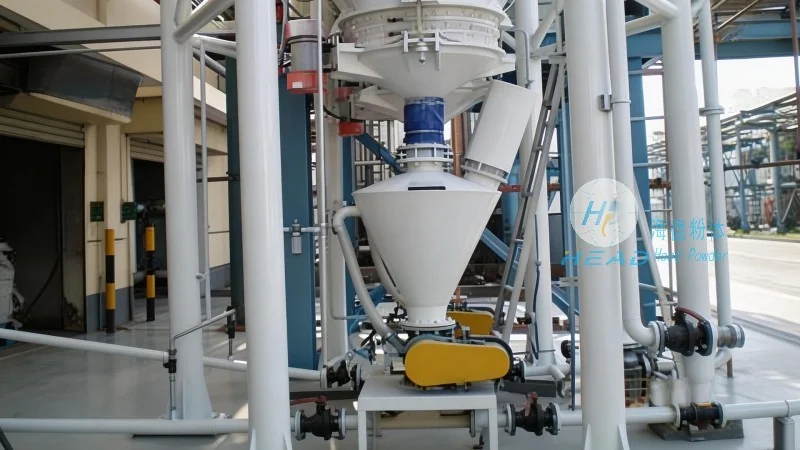
Key Components of Pneumatic Grain Conveying Systems
A pneumatic grain conveying system typically consists of several interconnected components that work together to transport grain from one location to another. The primary components include the material feed system, the conveying line, the air supply system, and the control and monitoring equipment. Each of these components plays a critical role in ensuring the smooth and efficient operation of the system, with proper integration being vital for achieving high throughput and low energy consumption.
Material Feed System
The material feed system is responsible for introducing the grain into the conveying line. This component may include a hopper, a feeder, and a valve mechanism. The hopper stores the grain and provides a consistent feed rate, while the feeder regulates the flow of grain into the conveying line. The valve, often a rotary or slide valve, controls the release of grain into the system, ensuring that the flow is controlled and prevents backflow or clogging. The design of the feed system is crucial as it directly impacts the uniformity and consistency of the grain flow, which is vital for maintaining system efficiency and preventing blockages. For example, a properly sized hopper with a low-level sensor can ensure that the feed rate matches the conveying capacity, avoiding overfeeding that could lead to system overload.
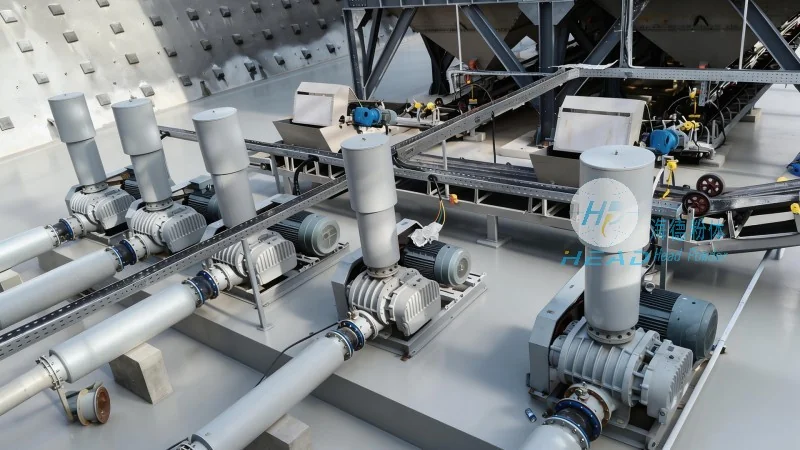
Conveying Line
The conveying line is the core of the pneumatic system, responsible for transporting the grain through the air stream. It typically consists of a pipeline made from materials such as stainless steel, plastic, or metal, depending on the specific requirements of the grain being handled. The pipeline is designed to withstand the pressure and flow conditions of the conveying process. The length and diameter of the conveying line are critical factors that affect the system's performance, as they determine the air velocity and pressure required to move the grain effectively. The line may also include bends, elbows, and other fittings that guide the grain along the path, ensuring that the material is transported without excessive wear or damage. For instance, using stainless steel pipelines for food-grade applications ensures compliance with hygiene standards and prevents contamination from metal particles.
Air Supply System
The air supply system provides the necessary airflow to move the grain through the conveying line. This component includes a blower or fan, a filter, and a pressure regulator. The blower generates the air pressure and flow rate required to transport the grain, while the filter removes contaminants from the air to prevent clogging of the system and ensure clean conveying. The pressure regulator maintains a consistent pressure level throughout the system, which is essential for stable and efficient operation. The choice of blower type, such as a positive displacement blower or a centrifugal fan, depends on the specific characteristics of the grain and the conveying requirements, including the distance and volume of material to be transported. For example, a positive displacement blower is often preferred for long-distance conveying due to its ability to maintain high pressure over extended lengths.
Control and Monitoring Equipment
The control and monitoring equipment is responsible for managing the operation of the pneumatic system and ensuring its safe and efficient performance. This component includes a control panel, sensors, and a control system. The control panel allows operators to adjust the system parameters, such as the air pressure, feed rate, and conveying speed, to optimize the operation based on the specific needs of the grain. Sensors, such as pressure sensors, flow meters, and level sensors, monitor the system's performance in real-time, providing feedback to the control system. This allows for immediate adjustments to be made if any issues arise, such as a drop in pressure or an increase in temperature, which could indicate a problem in the system. The control system may also include safety features, such as emergency shut-off valves, to prevent accidents and protect the equipment and personnel. For instance, a pressure sensor can trigger an alarm if the pressure drops below a set threshold, prompting the operator to investigate and resolve the issue before it leads to system failure.
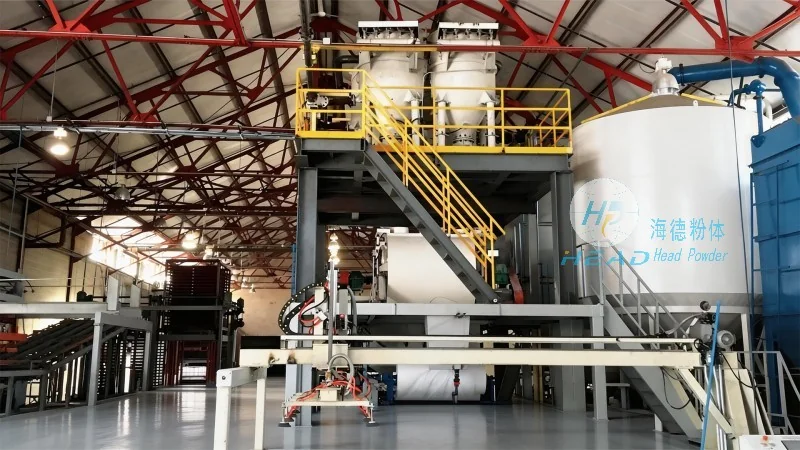
Additional Components and Considerations
In addition to the primary components, a pneumatic grain conveying system may include additional elements to enhance its performance and reliability. These may include dust collection systems, which remove dust and particles from the air stream to maintain a clean environment and prevent contamination of the grain. The system may also include cleaning and maintenance equipment, such as brushes or blowers, to keep the pipeline and components free from debris and ensure long-term operation. The selection of materials for the components, such as the use of stainless steel for food-grade applications, is also an important consideration to ensure that the system meets the required standards for hygiene and safety. Furthermore, the integration of automation features, such as programmable logic controllers (PLCs), can improve operational efficiency by allowing for remote monitoring and control of the system.
By understanding the components of a pneumatic grain conveying system and their functions, operators can better maintain and optimize the system for efficient grain handling. The proper design and integration of these components are essential for achieving high throughput, low energy consumption, and reliable operation in grain processing facilities. Shandong HeadPowder Engineering Co., Ltd. specializes in designing and manufacturing customized systems that meet the specific needs of grain processing operations, ensuring that clients can achieve their operational goals with high efficiency and reliability. With a focus on quality and innovation, HeadPowder provides comprehensive solutions that address the unique challenges of grain bulk material handling, from small-scale operations to large industrial facilities.




