Sawdust, a byproduct of wood processing, is commonly used in various industries such as paper manufacturing, animal bedding, and fuel production. Efficient and reliable sawdust conveying is crucial for optimizing production processes and ensuring consistent material handling. This article explores the primary methods used for sawdust transportation, highlighting the key factors that influence the selection of an appropriate system.
Key Factors Influencing Sawdust Conveying System Selection
Before delving into specific conveying methods, it is essential to consider several factors that impact the choice of a sawdust conveying system. These factors include the material's characteristics (e.g., moisture content, particle size, and bulk density), the required conveying distance, the desired flow rate, and the environmental conditions of the application. Additionally, the cost of installation, maintenance, and energy consumption are critical considerations for businesses aiming to maximize operational efficiency.
1. Air-Pneumatic Conveying Systems
One of the most common methods for sawdust conveying is air-pneumatic systems. These systems utilize compressed air to transport sawdust particles through a network of pipes. The primary advantage of air-pneumatic conveying is its ability to handle fine powders and small particles efficiently, making it suitable for applications where dust control and minimal material degradation are priorities. There are two main types of air-pneumatic systems: positive displacement and negative pressure (or suction) systems.
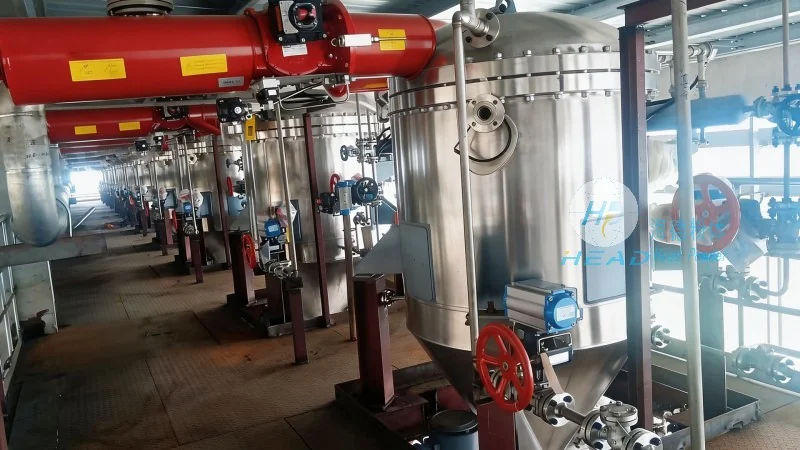
Positive displacement systems, such as rotary lobe blowers or piston pumps, generate high-pressure air to push sawdust through the pipeline. This method is ideal for conveying sawdust over long distances and through multiple bends. Negative pressure systems, on the other hand, use vacuum pumps to draw sawdust into the pipeline. They are often preferred for short-distance conveying and applications where the material is to be collected from a source.
2. Screw (Auger) Conveyors
Screw or auger conveyors are another widely used method for sawdust transportation. These systems consist of a rotating screw inside a cylindrical tube, which pushes the material forward as it rotates. Screw conveyors are particularly effective for handling dry, free-flowing sawdust and are often used in vertical or inclined applications. They are known for their simplicity, low maintenance requirements, and ability to operate in enclosed environments, which helps contain dust and improve safety. However, screw conveyors may not be suitable for very fine or abrasive sawdust, as this can lead to increased wear and reduced efficiency.
3. Belt Conveyors
Belt conveyors are a versatile and robust solution for sawdust conveying, especially in applications requiring high throughput and long-distance transport. These systems use a continuous belt to move sawdust from one point to another, often with the aid of idlers and pulleys to maintain tension and direction. Belt conveyors are ideal for handling larger volumes of sawdust and can be customized with different belt materials and widths to accommodate varying particle sizes and load capacities. They are commonly used in industrial settings where reliability and durability are paramount.
4. Pneumatic Vacuum Conveying
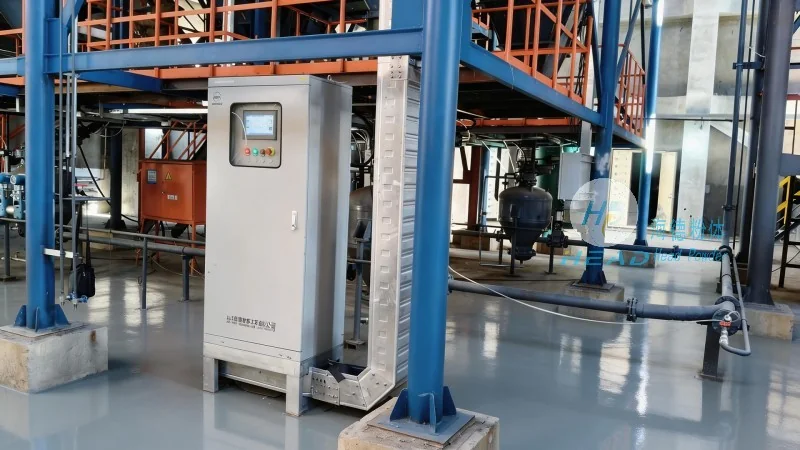
Pneumatic vacuum conveying is a specialized form of air-pneumatic system that uses low-pressure air to create a vacuum, drawing sawdust from a source into a collection container. This method is particularly effective for handling sawdust that is difficult to move by other means, such as when the material is sticky or has a high moisture content. Pneumatic vacuum conveyors are often used in applications where dust containment is critical, as they operate in a closed system, minimizing the risk of airborne dust and improving workplace safety.
5. Hydraulic Conveying
While less common for sawdust, hydraulic conveying systems can be used in certain applications where high pressure and controlled flow are required. These systems utilize hydraulic fluid to transport sawdust through a pipeline, leveraging the pressure to move the material. Hydraulic conveyors are typically used in heavy-duty industrial settings and are known for their ability to handle large volumes of material with high pressure. However, they require specialized equipment and maintenance, making them less suitable for general sawdust applications.




