Effective fly ash transportation is a critical component of modern industrial operations, particularly in power generation and construction sectors. The efficient movement of fly ash from its source to disposal or utilization sites requires careful consideration of various factors, including material properties, distance, and environmental regulations. As a leading provider in the field, Shandong HeadPowder Engineering Co., Ltd., based in Shandong, China, offers comprehensive solutions tailored to meet diverse fly ash transportation needs. This article explores the primary methods used for fly ash transportation, highlighting their advantages, applications, and considerations.
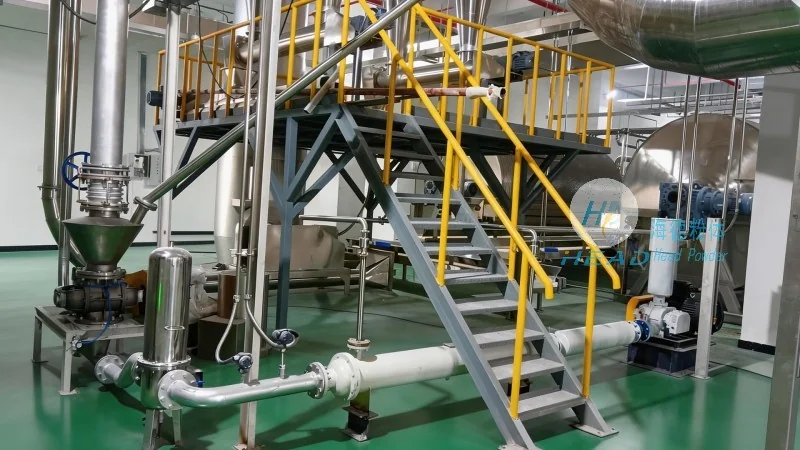
1. Pneumatic Conveying Systems
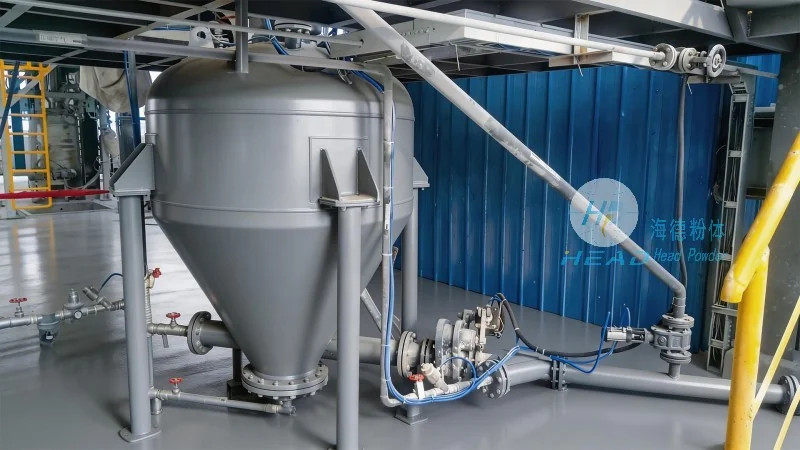
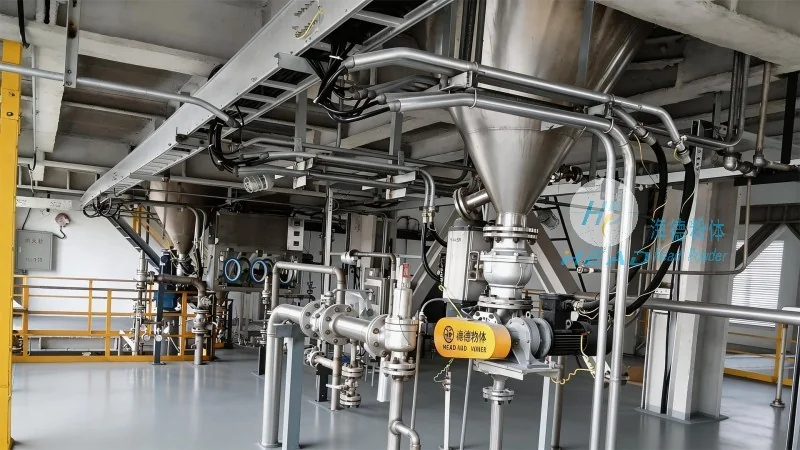
Pneumatic conveying, also known as air-pneumatic transport, is a widely used method for transporting fly ash. This technology utilizes air pressure to move dry materials through a pipeline system. There are two main types of pneumatic conveying: dilute-phase and dense-phase. Dilute-phase systems rely on high-velocity air to suspend the fly ash particles, while dense-phase systems use lower air velocities to create a slurry-like flow. Pneumatic conveying offers several benefits, including the ability to transport fly ash over long distances, minimal maintenance requirements, and the capacity to handle fine particles. However, it may require higher energy consumption compared to other methods and may not be suitable for very high volumes or abrasive materials.
2. Belt Conveyor Systems
Belt conveyors are another common method for fly ash transportation, especially for short to medium distances. These systems consist of a continuous belt that moves materials along a fixed path. Belt conveyors are highly efficient for transporting bulk materials like fly ash, offering high capacity and low operational costs. They are particularly suitable for horizontal or slightly inclined transport routes. The design of belt conveyors can be customized to handle different ash compositions and particle sizes, making them versatile for various applications. However, they may have limitations in terms of vertical lift capabilities and may require regular maintenance to ensure smooth operation.
3. Truck and Vehicle Transportation
For short-distance or on-site transportation, truck and vehicle transport is often employed. This method involves loading fly ash into trucks or specialized vehicles and transporting it to the designated location. Truck transportation is flexible and can access areas that are not easily reached by other systems, such as construction sites or remote disposal areas. It is particularly useful for transporting fly ash to landfills or recycling facilities. The advantages of truck transport include its adaptability to varying distances and the ability to handle large volumes in a single trip. However, it may be less cost-effective for long distances and can be subject to traffic congestion and environmental regulations regarding emissions and dust control.
4. Hydraulic Conveying
Hydraulic conveying, or slurry transport, involves mixing fly ash with water to create a slurry, which is then pumped through pipelines. This method is effective for transporting fly ash over medium to long distances, especially when dealing with high volumes. Hydraulic systems can handle a wide range of ash compositions and particle sizes, making them suitable for both wet and dry ash. The primary advantage of hydraulic conveying is its ability to transport materials with high moisture content, which can be beneficial for certain applications. However, it requires additional equipment for slurry preparation and may involve higher operational costs due to water usage and potential environmental concerns related to wastewater disposal.
5. Combination Methods
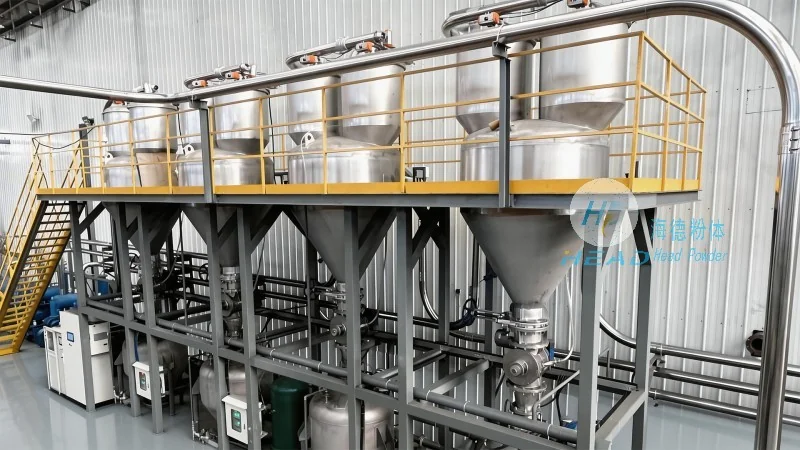
In many industrial settings, a combination of the above methods may be used to optimize fly ash transportation. For example, a plant might use pneumatic conveying for initial transport from the boiler to a storage silo, followed by truck transport to a disposal site. This integrated approach allows for flexibility and efficiency, adapting to the specific requirements of the operation. Shandong HeadPowder Engineering Co., Ltd. specializes in designing and implementing such integrated systems, ensuring that each component is optimized for performance and cost-effectiveness.
6. Considerations for Choosing the Right Method
When selecting a fly ash transportation method, several factors must be considered. The distance between the source and destination is a key factor, as longer distances may favor pneumatic or hydraulic systems over truck transport. The volume of fly ash to be transported also plays a role, with belt conveyors and hydraulic systems better suited for high volumes. Environmental regulations and local restrictions on dust and emissions are critical considerations, as some methods may require additional controls. The physical properties of the fly ash, such as particle size, moisture content, and abrasiveness, also influence the choice of system. Additionally, the cost of installation, operation, and maintenance should be evaluated to ensure the most economical solution.
7. Conclusion
Choosing the appropriate method for fly ash transportation is essential for the efficient and sustainable operation of industrial facilities. Shandong HeadPowder Engineering Co., Ltd., with its expertise and experience, provides tailored solutions that address the unique needs of each project. By considering factors such as distance, volume, and environmental requirements, industries can select the most effective method to transport fly ash, ensuring compliance with regulations and maximizing operational efficiency. Whether through pneumatic, belt, truck, or hydraulic systems, the right approach can significantly enhance the overall performance of fly ash management processes.




