Carbon black powders are widely used in various industrial applications, and their efficient transportation is crucial for maintaining production efficiency and product quality. As a leading provider in the field, Shandong HeadPowder Engineering Co., Ltd. specializes in delivering reliable solutions for carbon black powder handling and transportation. This article explores the common methods used to transport carbon black powders, highlighting the advantages and considerations of each approach.
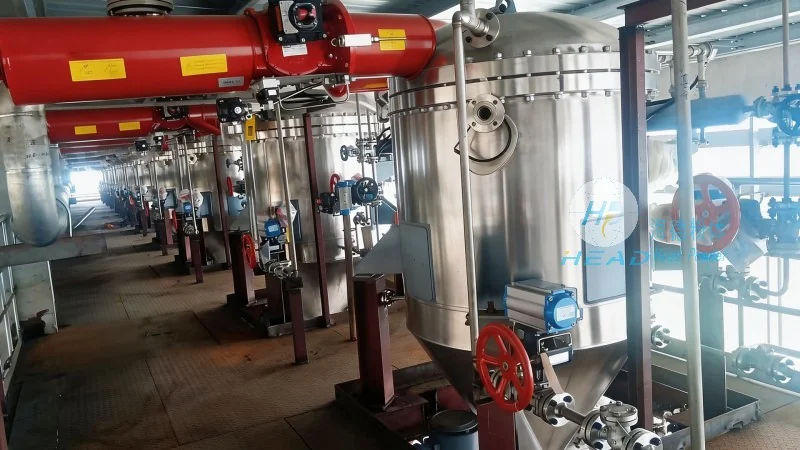
One of the most common and effective methods for carbon black powder transportation is pneumatic conveying. This technique utilizes air pressure to move the powder through a pipeline system. There are two main types of pneumatic conveying: pressure and vacuum. Pressure conveying uses compressed air to push the powder forward, while vacuum conveying employs a vacuum to draw the powder into the system. Pneumatic conveying offers advantages such as high capacity, low maintenance, and the ability to transport powders over long distances. However, it requires careful design to prevent powder degradation and ensure consistent flow.
Another popular method is screw or auger conveyors. These mechanical systems use rotating screws to move the carbon black powder along a tube or trough. Screw conveyors are particularly suitable for handling dry, free-flowing powders like carbon black. They are easy to install, maintain, and can be integrated into existing production lines. The design of the screw, including its pitch and diameter, affects the conveying capacity and the risk of powder segregation. For carbon black powders, which can be abrasive, the material of the screw and housing is critical to prevent wear and ensure long service life.
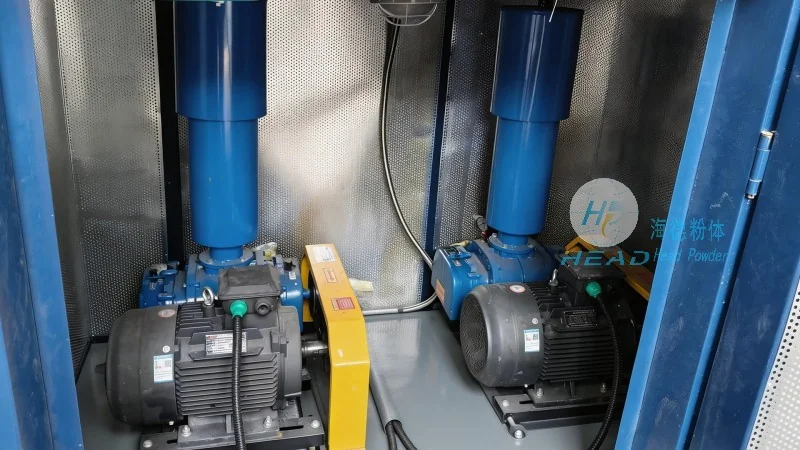
Vacuum systems are also used for carbon black powder transportation, especially in applications where dust control is a priority. These systems create a vacuum to draw the powder from a source, such as a storage silo or a processing unit, and transport it to the destination. Vacuum conveyors are often preferred in environments where air quality is a concern, as they minimize dust emissions compared to pressure systems. However, they typically have lower conveying capacities and are more suitable for shorter distances or smaller quantities of powder.
For applications requiring precise control over the powder flow, rotary valves and feeders are commonly employed. These devices regulate the discharge of carbon black powder from storage bins or hoppers, ensuring a consistent and controlled flow rate. Rotary valves, often called star valves, use a rotating star-shaped disc to meter the powder, while other types, like vibratory feeders, use vibrations to move the powder. These systems are essential for maintaining stable production processes and preventing overfilling or underfilling of equipment.
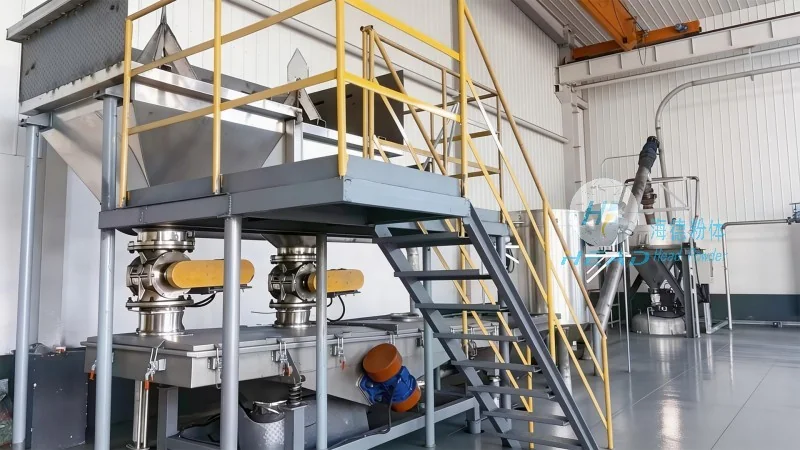
When selecting a transportation method for carbon black powders, several factors must be considered. The characteristics of the powder, such as its particle size, moisture content, and flowability, play a significant role. Coarser or more abrasive powders may require specialized equipment to avoid equipment wear. The distance and layout of the production facility also influence the choice of system, as some methods are better suited for long-distance transport while others are ideal for short, localized movements. Additionally, cost considerations, including initial investment and operational expenses, are important in determining the most suitable solution.
Shandong HeadPowder Engineering Co., Ltd. offers comprehensive solutions for carbon black powder transportation, including the design, installation, and maintenance of various conveying systems. With years of experience in the industry, the company understands the unique challenges of handling carbon black powders and provides tailored solutions to meet specific customer needs. Whether using pneumatic, mechanical, or vacuum systems, their expertise ensures efficient and reliable powder transport, contributing to the overall productivity and success of industrial operations.




