Phenolic resin, a versatile and widely used thermosetting polymer, is essential in various industrial applications such as adhesives, coatings, and composites. The efficient and safe transportation of phenolic resin from production facilities to end-use points is critical for maintaining production efficiency and product quality. This article explores the primary methods of phenolic resin transportation, detailing their characteristics, advantages, and typical applications.
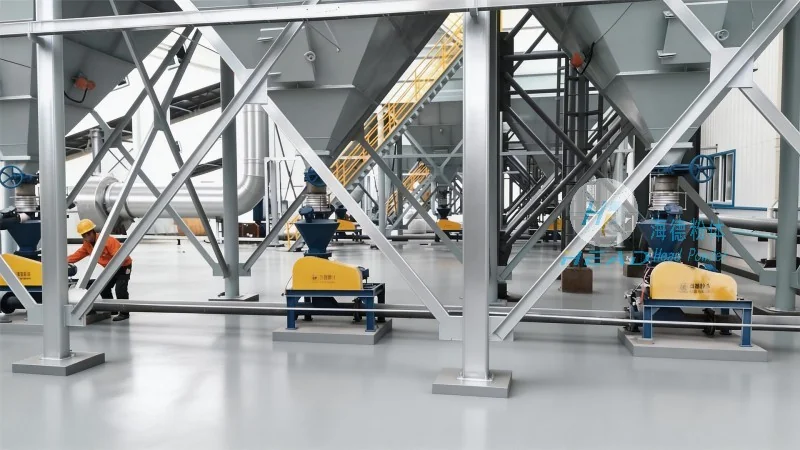
Introduction to Phenolic Resin Transportation
Phenolic resin is often stored in bulk containers or tanks and needs to be moved to processing equipment or storage locations. The choice of transportation method depends on several factors, including the resin's viscosity, temperature, required flow rate, and the distance to be covered. Proper selection ensures minimal degradation, contamination, and energy consumption. In this context, understanding the different transportation methods is vital for optimizing industrial operations.
Common Phenolic Resin Transportation Methods
1. Positive Displacement Pumps
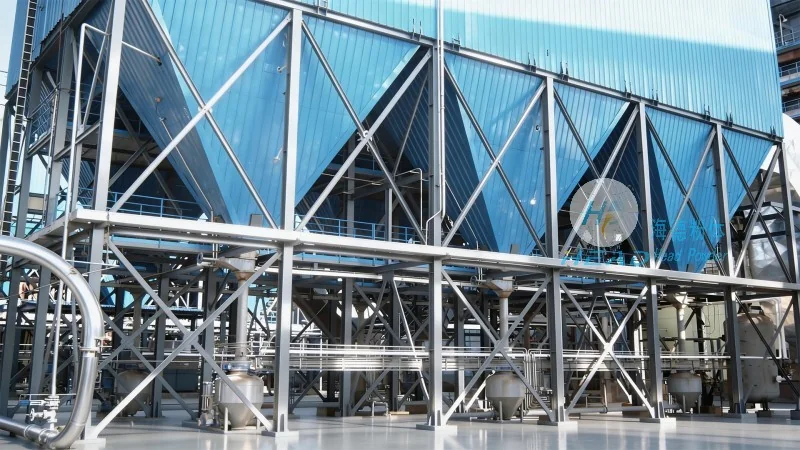
Positive displacement pumps are widely used for phenolic resin transportation due to their ability to handle high-viscosity fluids. These pumps, such as gear pumps, progressing cavity pumps, and diaphragm pumps, operate by trapping a fixed volume of fluid and forcing it through the discharge port. This method ensures a consistent flow rate, making it suitable for applications requiring precise dosing. For phenolic resins, which can have viscosities ranging from 100 to 10,000 centipoise, positive displacement pumps maintain stable performance without significant pressure drop. The primary advantage is their reliability in handling viscous materials, while the main drawback is the potential for wear and tear on the pump components over time.
2. Centrifugal Pumps
Centrifugal pumps are another common choice, particularly for less viscous phenolic resins or when large flow rates are required. These pumps use centrifugal force to move fluid, making them efficient for high-volume applications. However, they are less effective for highly viscous resins as they may struggle to maintain sufficient pressure. Centrifugal pumps are typically used in conjunction with heating systems to keep the resin fluid enough for smooth operation. The advantage lies in their simplicity and low maintenance, but they may not be suitable for all phenolic resin viscosities without preheating or other modifications.
3. Vacuum-Assisted Transfer
Vacuum-assisted transfer systems are employed when the distance between the storage tank and processing equipment is short or when the resin needs to be moved gently to avoid air entrapment. This method involves creating a vacuum in the receiving tank or pipeline, which draws the resin from the source tank. It is particularly useful for low-viscosity phenolic resins and can be combined with positive displacement pumps to enhance flow. The key benefits include reduced mechanical stress on the resin and the ability to handle small volumes with minimal equipment. However, vacuum systems require careful maintenance to prevent leaks and ensure consistent vacuum levels, which can impact overall efficiency.
4. Gravity Flow
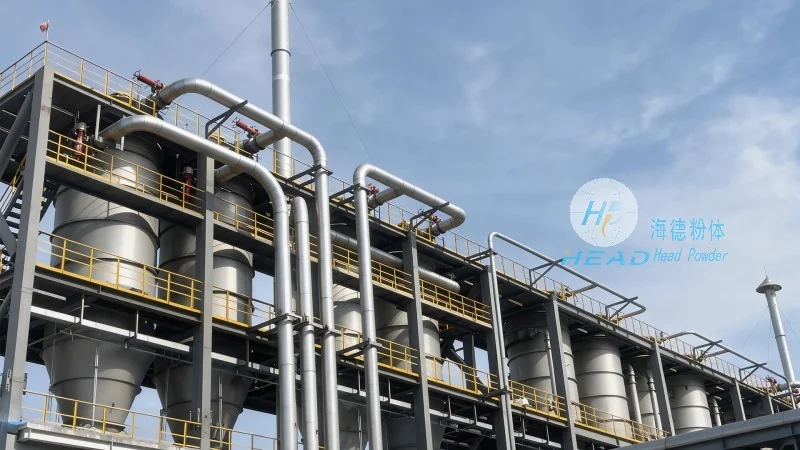
Gravity flow, or static transfer, is a simple and cost-effective method for transporting phenolic resin when the source and destination are at different elevations. The resin flows through a pipe due to gravity, eliminating the need for pumps. This method is ideal for low-viscosity resins and short distances, such as moving resin from a higher storage tank to a lower processing unit. The primary advantage is low energy consumption and minimal equipment, but it is limited by the vertical distance and the viscosity of the resin. For high-viscosity phenolic resins, gravity flow may not be feasible without additional heating or pressure assistance.
Factors Influencing the Choice of Transportation Method
The selection of a phenolic resin transportation method is influenced by several key factors, including the resin's physical properties, the required flow rate, the distance to be covered, and the operational environment. Viscosity is a critical parameter, as higher viscosity resins may require more powerful pumps or preheating. Temperature also plays a role, as heating can reduce viscosity and improve pump performance. Flow rate and pressure requirements must be matched to the pump's capabilities to avoid system inefficiencies or equipment damage. Additionally, the presence of air or contaminants in the resin can affect the choice of method, as some systems are better at preventing air entrapment than others.
Best Practices for Phenolic Resin Transportation
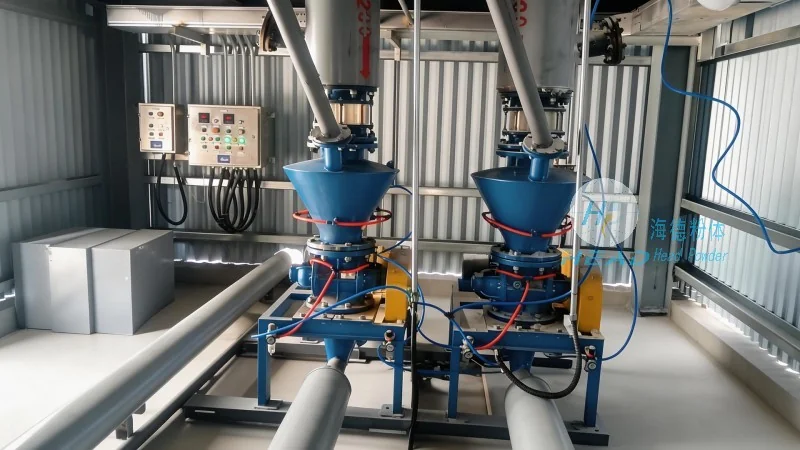
To ensure efficient and safe phenolic resin transportation, several best practices should be followed. First, regular maintenance of pumps and pipelines is essential to prevent clogging and wear. This includes cleaning filters, checking for leaks, and replacing worn parts. Second, monitoring the resin's temperature and viscosity is crucial, as changes can impact pump performance. Third, using appropriate pipe materials, such as stainless steel or PTFE, can prevent resin degradation and contamination. Fourth, implementing proper sealing and closure systems can minimize air ingress and maintain the resin's quality. By adhering to these practices, industrial operations can optimize their phenolic resin transportation processes and enhance overall productivity.
About Shandong HeadPowder Engineering Co., Ltd.
Shandong HeadPowder Engineering Co., Ltd., operating under the brand name HeadPowder, is a leading provider of engineering solutions for the chemical and resin industries. With a focus on innovation and quality, the company offers a range of equipment and services tailored to meet the diverse needs of its clients. HeadPowder specializes in the design, manufacturing, and installation of resin handling systems, including transportation solutions for phenolic resins. The company's expertise in material handling and process optimization ensures that clients receive reliable and efficient systems that enhance their operational performance. HeadPowder's commitment to customer satisfaction and technical excellence has made it a trusted partner in the industry, serving clients across China and beyond.




