When it comes to handling and transporting dry soybeans efficiently, selecting the right conveying method is crucial for maintaining product quality and operational efficiency. Various techniques are available, each with its own advantages and applications. This article explores the common methods used in the industry, focusing on how they can be applied to ensure smooth and reliable soybean movement within processing facilities.
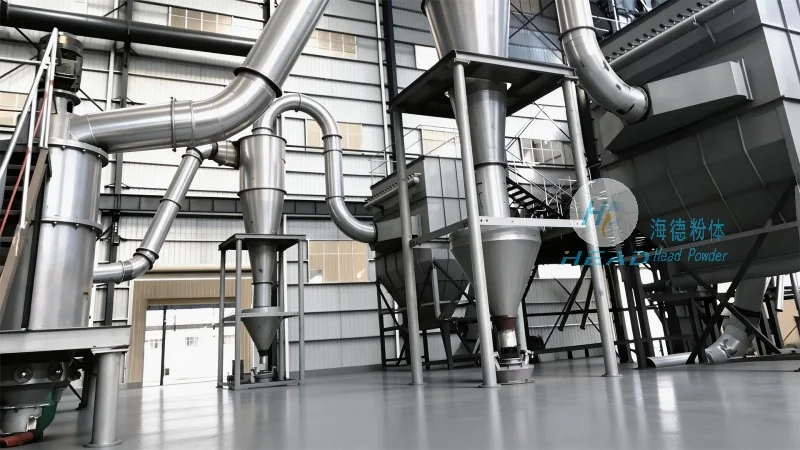
Overview of Dry Soybean Conveying Systems
Dry soybean conveying systems are designed to move bulk materials from one location to another without causing damage or degradation. These systems are integral to soybean processing operations, from storage to processing stages. The choice of conveying method depends on factors such as the volume of soybeans, the distance to be covered, and the specific requirements of the processing line. Understanding the different options helps in optimizing the workflow and reducing downtime.
Common Conveying Methods for Dry Soybeans
Several methods are widely used in the industry for dry soybean handling. Each method has unique characteristics that make it suitable for different scenarios. The primary methods include belt conveyors, screw conveyors, pneumatic conveyors, and bucket elevators. Let's delve into each of these methods to understand their functionality and benefits.
Belt Conveyors for Dry Soybeans
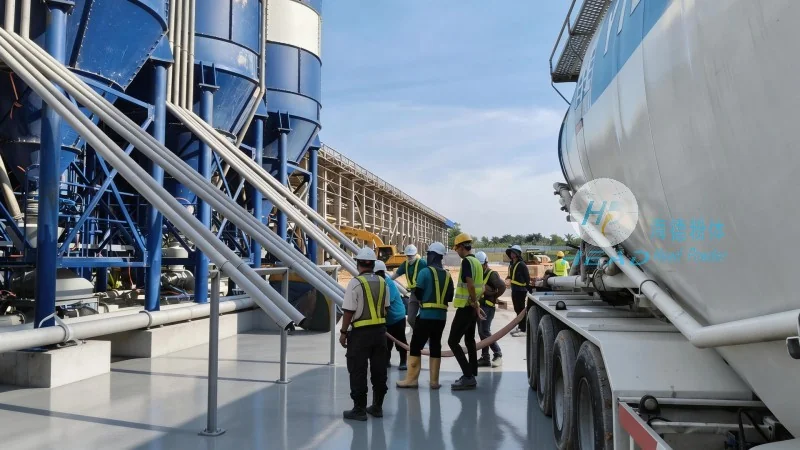
Belt conveyors are one of the most common and versatile methods for transporting dry soybeans. They consist of a continuous belt that moves over rollers or pulleys, carrying the soybeans from the source to the destination. This method is ideal for long-distance transport and can handle large volumes of soybeans efficiently. Belt conveyors are particularly useful in processing plants where the soybeans need to be moved over horizontal or slightly inclined paths. The smooth operation of belt conveyors minimizes product breakage, making them a preferred choice for delicate materials like dry soybeans.
Screw Conveyors for Dry Soybeans
Screw conveyors, also known as auger conveyors, use a rotating screw to move dry soybeans through a tube or trough. This method is suitable for vertical or inclined transport and can handle a wide range of materials, including dry soybeans. Screw conveyors are compact and can be installed in tight spaces, making them a practical solution for facilities with limited floor space. They are effective for moving soybeans at moderate speeds and can be adjusted to control the flow rate. However, they may cause some friction and heat generation, which could affect the quality of sensitive soybeans if not properly managed.
Pneumatic Conveyors for Dry Soybeans
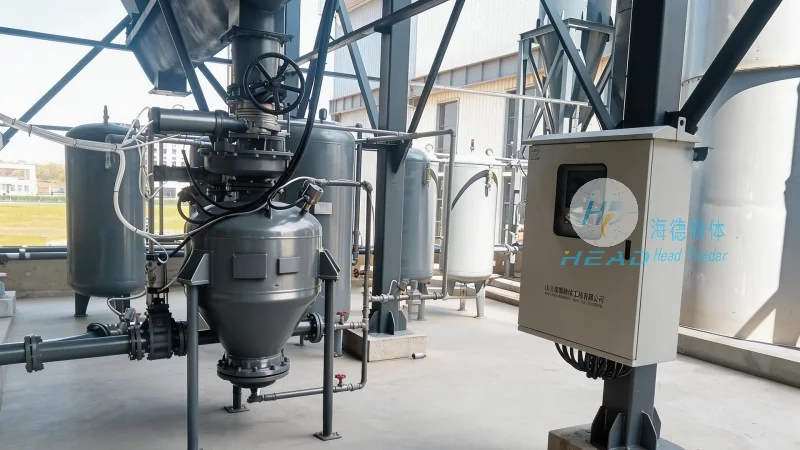
Pneumatic conveyors use air pressure to transport dry soybeans through a pipeline system. This method is highly flexible and can be used for both horizontal and vertical transport. Pneumatic conveyors are particularly useful for moving soybeans over long distances or through complex layouts without the need for multiple components. They are also effective in preventing contamination and maintaining product purity. However, they require a consistent air supply and may be less efficient for very large volumes compared to other methods. Proper maintenance of the air system is essential to ensure optimal performance.
Bucket Elevators for Dry Soybeans
Bucket elevators are vertical conveyors that use a series of buckets attached to a chain or belt to lift dry soybeans from a lower to a higher level. This method is ideal for vertical transport and can handle steep inclines. Bucket elevators are capable of moving large quantities of soybeans at high speeds, making them suitable for high-throughput processing facilities. They are also relatively simple in design and easy to maintain. However, they may cause some impact and friction during operation, which could affect the quality of the soybeans if not properly designed and operated.
Choosing the Right Conveying Method for Your Needs
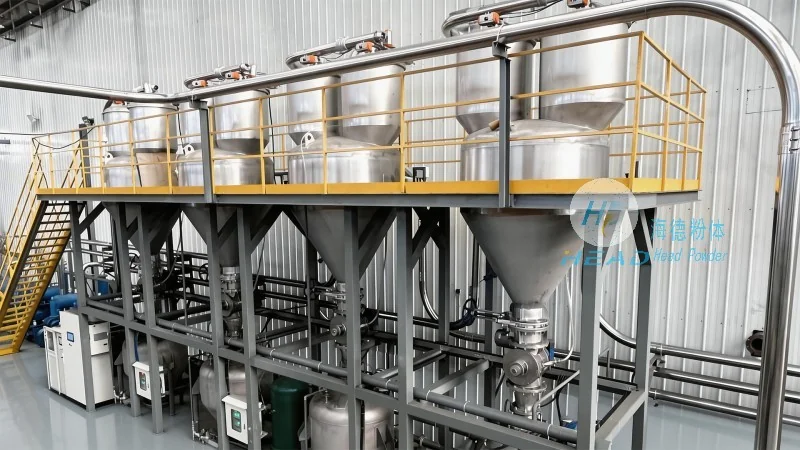
Selecting the appropriate conveying method for dry soybeans requires careful consideration of several factors. The volume and characteristics of the soybeans, the distance and layout of the processing facility, and the desired speed and efficiency are all important considerations. It is also essential to evaluate the cost and maintenance requirements of each method to ensure long-term operational benefits. Consulting with experts in material handling can help in making an informed decision that aligns with the specific needs of the operation.
Conclusion
In conclusion, the choice of dry soybean conveying method plays a critical role in the efficiency and quality of soybean processing operations. Each method has its own advantages and limitations, and the optimal choice depends on the specific requirements of the facility. By understanding the different options and their applications, processors can select the most suitable method to ensure smooth and reliable soybean movement. This not only improves operational efficiency but also helps in maintaining the quality of the final product.




