Understanding the various methods of grit conveyance is crucial for industries that rely on efficient material handling. Grit, often used in industrial processes such as sandblasting, construction, and water treatment, requires reliable and effective transportation systems to ensure smooth operations. In this article, we explore the different approaches to grit conveyance, focusing on the technologies and solutions provided by Shandong HeadPowder Engineering Co., Ltd., a leading manufacturer in the field.
Introduction to Grit Conveyance
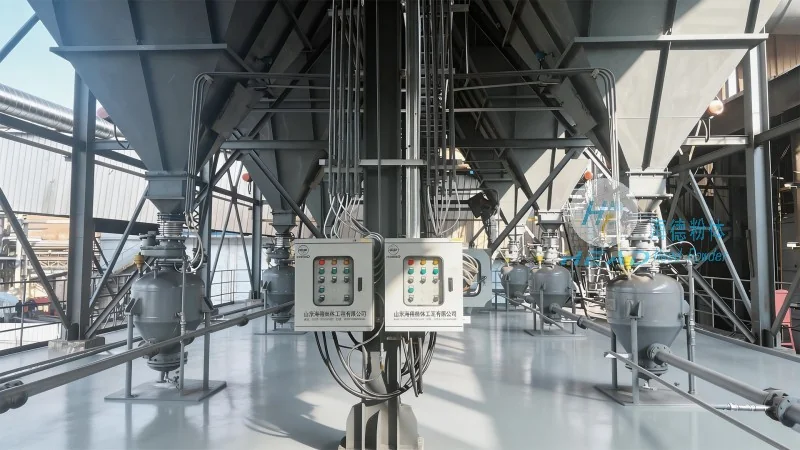
Grit conveyance refers to the process of transporting abrasive materials like grit, sand, or similar granular substances from one location to another. These materials are typically used in applications that demand high-quality surface treatment or filtration. The choice of conveyance method depends on several factors, including the material's properties, the distance to be covered, the required throughput, and the environmental conditions. Effective grit conveyance systems not only enhance operational efficiency but also reduce downtime and maintenance costs.
Key Players in Grit Conveyance: Shandong HeadPowder Engineering Co., Ltd.
Shandong HeadPowder Engineering Co., Ltd., commonly known as HeadPowder, is a reputable company based in China. With a strong commitment to innovation and quality, HeadPowder specializes in the design, manufacturing, and supply of advanced grit conveyance equipment. The company's products are engineered to meet the diverse needs of industrial clients, ensuring durability, reliability, and optimal performance in demanding environments. HeadPowder's expertise in material handling solutions has made it a trusted partner for businesses seeking efficient grit transportation systems.
Common Grit Conveyance Methods
Several methods are employed for grit conveyance, each with its own advantages and applications. The primary approaches include:
1. Gravity Conveyance
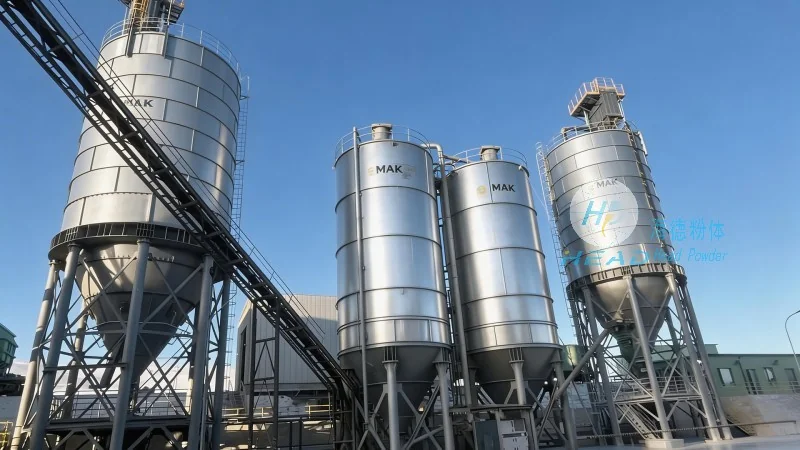
Gravity conveyance utilizes the natural force of gravity to move grit from a higher elevation to a lower one. This method is often used in applications where the material can flow freely due to its size and density. The system typically consists of inclined chutes or troughs that allow the grit to slide down under the influence of gravity. Gravity conveyors are simple, cost-effective, and require minimal maintenance, making them suitable for short-distance transport in low-velocity applications.
2. Mechanical Conveyance
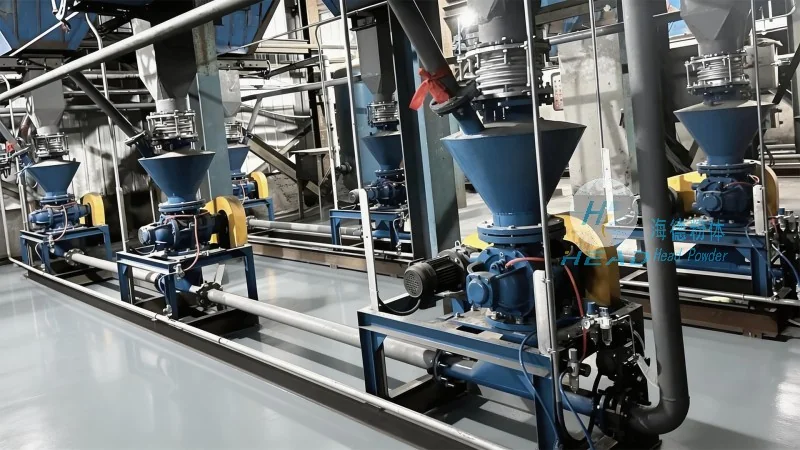
Mechanical conveyance involves the use of machinery to transport grit. This category includes various types of equipment such as screw conveyors, belt conveyors, and pneumatic conveyors. Screw conveyors use a rotating screw to push the grit along a tube or trough, providing consistent and controlled movement. Belt conveyors, on the other hand, utilize a continuous belt to carry the material, which is ideal for longer distances and higher throughput. Pneumatic conveyors use air pressure to move the grit through a pipeline, making them suitable for fine or dusty materials that require dust-free transport.
3. Hydraulic Conveyance
Hydraulic conveyance employs water or other liquids to transport grit. This method is commonly used in water treatment plants and mining operations where the material needs to be moved through a slurry. The grit is suspended in the liquid and pumped through pipelines, allowing for efficient transportation over long distances. Hydraulic conveyors are effective for handling abrasive materials and can handle high volumes, but they require proper sealing and maintenance to prevent leaks and contamination.
Factors to Consider When Choosing a Grit Conveyance Method
The selection of an appropriate grit conveyance method depends on several key factors. First, the physical properties of the grit, such as particle size, density, and moisture content, play a significant role. Larger and denser particles may be better suited for gravity or mechanical conveyors, while finer materials might require pneumatic or hydraulic systems. Second, the distance and elevation changes between the source and destination are critical. Short distances with minimal elevation changes are ideal for gravity conveyors, whereas longer distances or significant vertical movement may necessitate mechanical or hydraulic solutions. Third, the required throughput and operational speed are important considerations. High-volume applications may benefit from belt or pneumatic conveyors, while low-volume, low-speed operations might use screw conveyors. Finally, environmental and safety factors, including dust control and noise reduction, should be evaluated. Proper ventilation and sealing systems are essential to maintain a safe working environment and comply with regulatory standards.
Advantages and Challenges of Different Grit Conveyance Methods
Each grit conveyance method has its own set of advantages and challenges. Gravity conveyors are cost-effective and low-maintenance but are limited by the need for elevation changes and may not be suitable for fine materials. Mechanical conveyors, particularly screw and belt types, offer high reliability and can handle a wide range of materials, but they require regular maintenance and may generate noise and vibration. Pneumatic conveyors provide dust-free transport and can handle fine particles, but they are susceptible to pressure drops and require clean air systems. Hydraulic conveyors are efficient for slurry transport but need careful management of water quality and pipeline integrity. Understanding these trade-offs helps in selecting the most appropriate method for specific applications.
Conclusion
Grit conveyance is a vital aspect of industrial operations, and choosing the right method is essential for optimizing efficiency and minimizing costs. Shandong HeadPowder Engineering Co., Ltd. offers a range of advanced grit conveyance solutions tailored to meet the diverse needs of its clients. By considering factors such as material properties, distance, throughput, and environmental requirements, businesses can select the most suitable conveyance method to ensure smooth and reliable grit transportation. With its commitment to quality and innovation, HeadPowder continues to provide reliable equipment that enhances the performance of grit handling systems in various industries.




