For businesses dealing with magnesium oxide powder, selecting the right conveying method is crucial for efficiency, safety, and cost-effectiveness. Shandong HeadPowder Engineering Co., Ltd., a leading manufacturer based in Shandong, China, specializes in providing high-quality solutions tailored to various industrial needs. This article explores the primary methods used for magnesium oxide powder conveyance, highlighting the advantages and considerations for each approach.
1. Pneumatic Conveying Systems
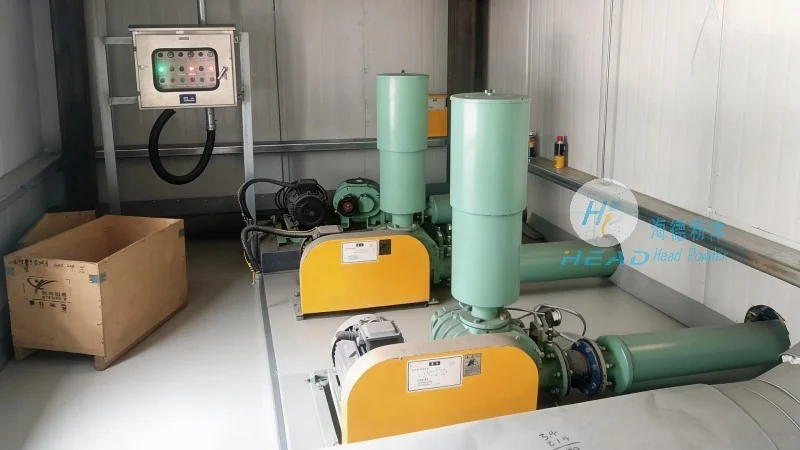
Pneumatic conveying is a widely used method for transporting magnesium oxide powder due to its ability to handle fine powders and operate with minimal maintenance. This system utilizes compressed air to move the powder through a pipeline. There are two main types: pressure and vacuum systems. Pressure systems are suitable for short-distance conveying, while vacuum systems are ideal for longer distances or when the powder needs to be drawn from a storage silo. The key components include a hopper, a rotary valve, a conveyor line, and a receiver. The compressed air creates a flow that propels the powder, ensuring a consistent and controlled delivery. Pneumatic conveying is particularly effective for preventing dust contamination and maintaining product purity, which is vital for applications in construction and chemical industries.
2. Screw Conveyors
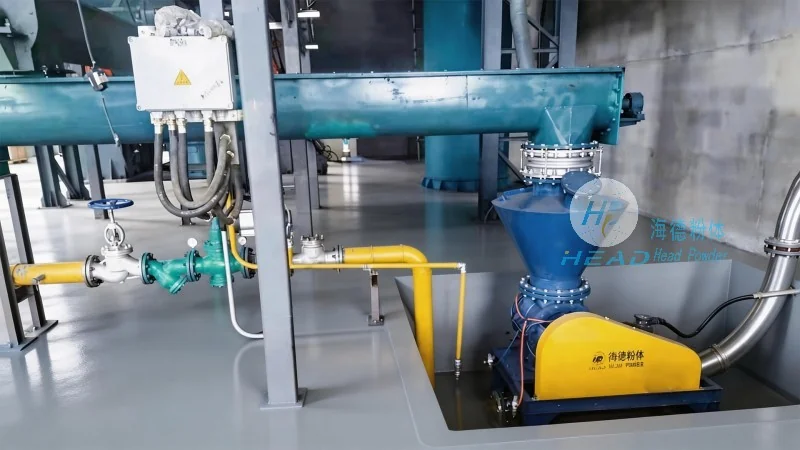
Screw conveyors, also known as auger conveyors, are another common method for transporting magnesium oxide powder. These systems consist of a rotating screw inside a tube or trough. The screw rotates, pushing the powder forward along the conveyor. Screw conveyors are ideal for horizontal or slightly inclined applications and are particularly effective for handling bulk materials with moderate moisture content. They are relatively simple in design, making them cost-effective and easy to install. However, they may not be suitable for very fine powders that could cause excessive wear on the screw and trough. The speed and pitch of the screw can be adjusted to control the flow rate, ensuring precise delivery. Screw conveyors are commonly used in processing plants where the powder needs to be moved from one stage to another, such as from a mixer to a storage silo.
3. Belt Conveyors
Belt conveyors are versatile and widely used for transporting magnesium oxide powder, especially in large-scale operations. These systems use a continuous belt that moves over rollers or pulleys to transport the material. The belt is typically made of durable materials like rubber or PVC to withstand the abrasive nature of the powder. Belt conveyors are suitable for both horizontal and inclined transport, making them adaptable to various layouts. They can handle high volumes of material and are efficient for long-distance conveying. However, they require regular maintenance to ensure the belt remains in good condition and to prevent material buildup on the belt surface. The design of the belt conveyor, including the angle of inclination and the speed of the belt, can be optimized to maximize efficiency and minimize energy consumption. Belt conveyors are often integrated with other equipment, such as feeders and hoppers, to create a seamless material handling system.
4. Bucket Elevators
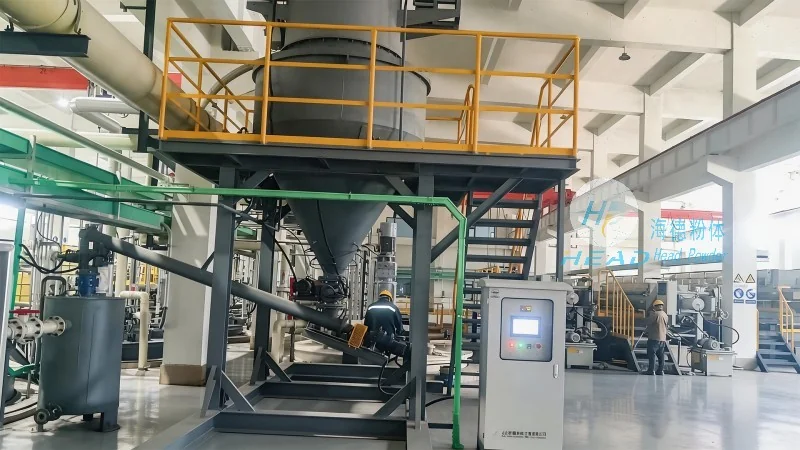
Bucket elevators are an effective method for vertical or inclined transport of magnesium oxide powder. These systems consist of a series of buckets attached to a chain or belt that moves vertically. The buckets scoop up the powder from a hopper and lift it to the desired height before releasing it into a discharge chute. Bucket elevators are particularly useful when the powder needs to be moved vertically over significant distances, such as from a ground-level storage to an upper-level processing area. They are capable of handling large quantities of material and are relatively compact in design, making them suitable for spaces with limited vertical clearance. The speed of the bucket elevator can be adjusted to control the flow rate, ensuring a steady supply of powder. However, they require regular inspection to prevent bucket wear and chain or belt damage. Bucket elevators are commonly used in industries where vertical transport is necessary, such as in cement and chemical plants.
5. Hydraulic Conveying
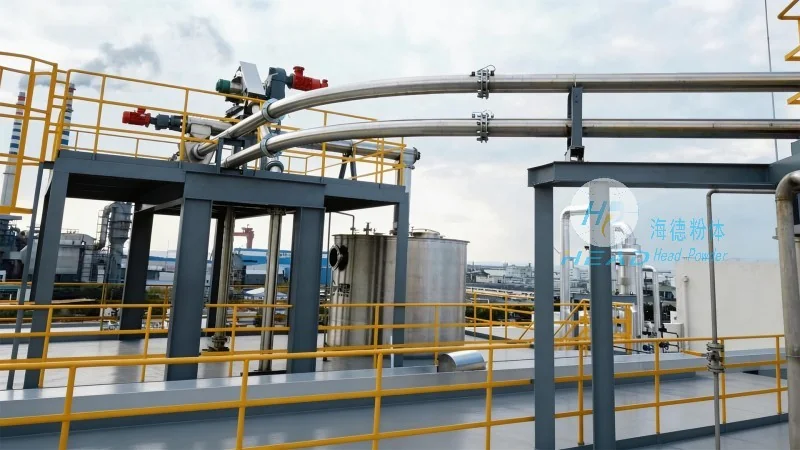
Hydraulic conveying is a less common but specialized method for transporting magnesium oxide powder, particularly in applications where the powder is mixed with water or other liquids. This system uses a pump to move the slurry containing the powder through a pipeline. The hydraulic pressure ensures the slurry flows consistently, and the system can handle a wide range of particle sizes. Hydraulic conveying is effective for long-distance transport and can be used in both horizontal and vertical directions. However, it requires additional equipment for slurry preparation and separation, increasing the overall complexity and cost. The key components include a pump, a pipeline, and a separator to remove excess water or other liquids from the powder. Hydraulic conveying is suitable for applications where the powder needs to be mixed with other materials, such as in the production of concrete additives or chemical solutions.
6. Vibrating Conveyors
Vibrating conveyors use vibration to move magnesium oxide powder along a trough. The conveyor consists of a trough that is mounted on a frame and vibrated by an electric motor or other power source. The vibration causes the powder to move forward, similar to how a conveyor belt moves material. Vibrating conveyors are particularly effective for handling fine powders and materials with high moisture content, as the vibration helps prevent material bridging and clogging. They are also suitable for inclined transport and can be adjusted to control the flow rate by changing the vibration frequency or amplitude. The design of the vibrating conveyor, including the angle of inclination and the type of vibration, can be customized to meet specific application requirements. Vibrating conveyors are commonly used in industries where the powder needs to be transported over moderate distances and where dust control is a priority, such as in food processing and pharmaceutical manufacturing.




