HeadPowder, a leading enterprise in the field of material handling and processing, specializes in advanced pneumatic conveying solutions for quartz sand particles. With its headquarters in Shandong, China, the company has established itself as a key player in providing efficient and reliable systems for transporting fine and abrasive materials like quartz sand. This article explores the fundamental principles, practical applications, and emerging trends in quartz sand particle pneumatic conveying technology, highlighting how such systems enhance operational efficiency and product quality in various industrial sectors.
Principles of Quartz Sand Particle Pneumatic Conveying
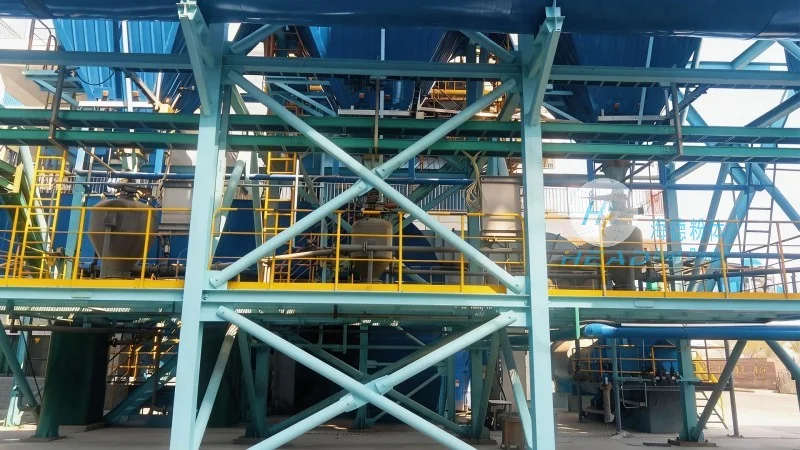
At the core of quartz sand particle pneumatic conveying is the use of air as the conveying medium to transport solid particles through a pipeline. The technology operates on the principle of creating a pressure differential between the conveying line and the ambient environment. By introducing compressed air into the system, the particles are entrained and carried along the pipeline. There are two primary types of pneumatic conveying systems: pressure and vacuum. Pressure systems use positive pressure to push the material through the line, while vacuum systems employ negative pressure to draw the material from the source. For quartz sand, which is often fine and abrasive, pressure systems are commonly preferred due to their ability to handle high particle loads and maintain consistent flow rates. The system typically consists of a hopper, a rotary valve, a conveying line, and a receiver. The hopper stores the quartz sand, and the rotary valve controls the feed rate. The conveying line transports the particles, and the receiver collects the material at the destination. The air flow rate and pressure are carefully controlled to ensure optimal particle transport without causing excessive wear on the system components.
Applications of Quartz Sand Particle Pneumatic Conveying
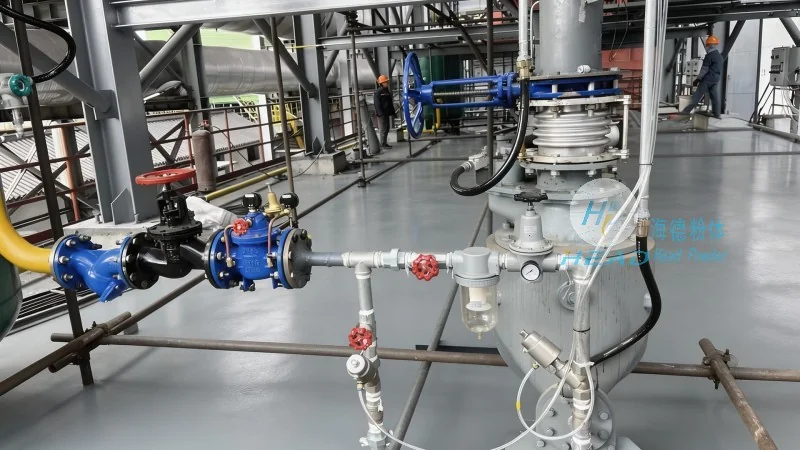
Quartz sand particle pneumatic conveying systems find extensive applications across multiple industries where fine, abrasive materials need to be moved efficiently. In the glass manufacturing industry, quartz sand is a critical raw material for producing glass products. Pneumatic conveying systems enable the precise and dust-free transport of quartz sand from storage silos to the glass melting furnaces, ensuring consistent quality and reducing contamination risks. The construction industry also utilizes these systems for transporting quartz sand used in concrete production and other building materials. The pharmaceutical and chemical industries benefit from the hygienic and controlled environment provided by pneumatic conveying, which minimizes product contamination and improves safety. Additionally, in the mining and mineral processing sectors, quartz sand is often processed and transported using pneumatic systems to handle the abrasive nature of the material and maintain high throughput rates. The versatility of these systems allows them to adapt to various operational requirements, from small-scale laboratory applications to large-scale industrial production lines.
Development Trends in Quartz Sand Particle Pneumatic Conveying
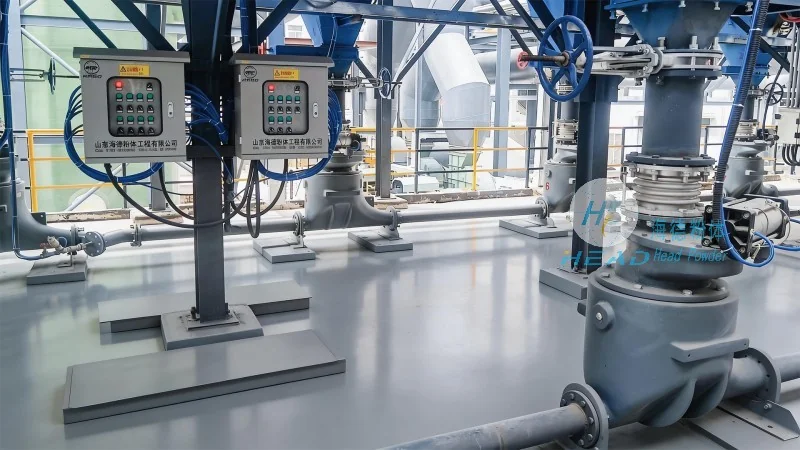
The field of quartz sand particle pneumatic conveying is continuously evolving, driven by advancements in technology and increasing demands for efficiency and sustainability. One key trend is the integration of automation and control systems, which enhance the precision and reliability of material transport. Modern systems now feature advanced sensors and control panels that monitor air pressure, flow rates, and particle feed rates in real-time, allowing for immediate adjustments to maintain optimal performance. This automation reduces human error and improves overall system efficiency. Another significant trend is the development of more durable and wear-resistant components, particularly for handling abrasive quartz sand. Advanced materials such as high-strength plastics and specialized coatings are being used to extend the lifespan of conveying lines and valves, reducing maintenance costs and downtime. Additionally, energy-efficient designs are gaining prominence, with systems incorporating variable frequency drives (VFDs) to optimize air consumption and reduce operational costs. The adoption of sustainable practices, such as using recycled materials in system construction and minimizing energy usage, is also becoming a priority for manufacturers. These trends reflect the industry's commitment to providing more efficient, reliable, and environmentally friendly solutions for quartz sand particle transport. As technology advances, we can expect further innovations in pneumatic conveying systems that will continue to improve the performance and applicability of quartz sand handling in various industries.




