Algae powder, a high-value product derived from microalgae cultivation, presents unique challenges in material handling due to its fine particle size, hygroscopic nature, and potential for dust generation. Pneumatic conveying technology offers an efficient and hygienic solution for transporting these powders, ensuring minimal product degradation and maintaining process integrity. This article explores the fundamental principles of algae powder pneumatic conveying, its practical applications across various industries, and the emerging trends shaping the technology's evolution.
Principles of Pneumatic Conveying for Algae Powders
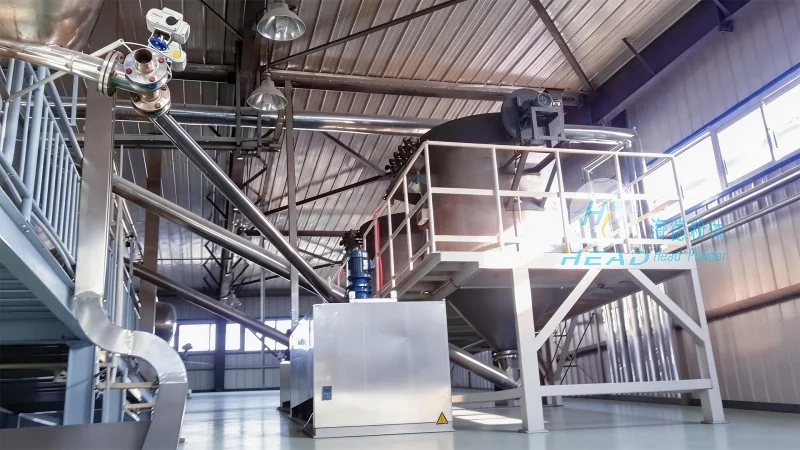
The core principle of pneumatic conveying involves transporting solid particles through a pipeline using a fluid, typically air or gas. For algae powders, the system must be designed to handle fine, light particles that can easily settle or agglomerate. Key components include the material feed system, conveying line, air supply unit, and discharge equipment. The selection of conveying mode—such as dilute-phase or dense-phase—depends on the powder's characteristics and the required transport distance. Dilute-phase systems use high air velocities to keep particles suspended, suitable for short to medium distances, while dense-phase systems employ lower velocities and higher particle concentrations, ideal for longer distances and preventing product degradation.
Applications in Industrial Processes
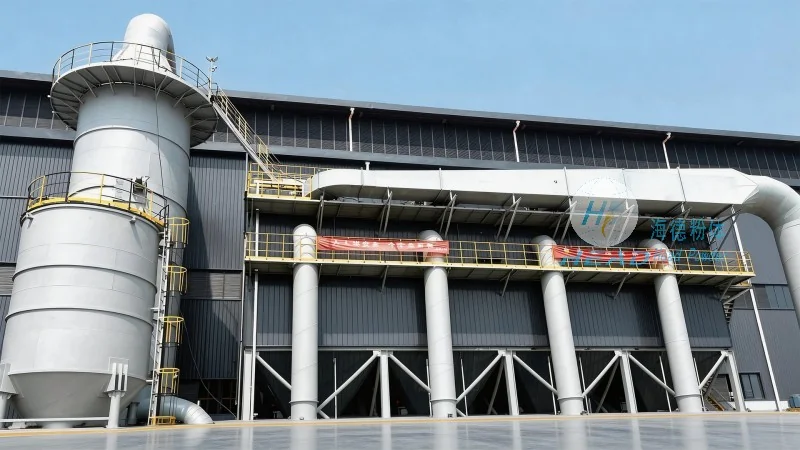
Algae powder pneumatic conveying is widely adopted in sectors where precise material handling is critical. In the pharmaceutical industry, for instance, the technology ensures sterile and contamination-free transport of algae-derived active ingredients, maintaining compliance with regulatory standards. The food and beverage sector utilizes it for transporting algae-based supplements or functional ingredients, preserving nutritional value and flavor. In the chemical industry, it facilitates the handling of algae-derived biofuels or specialty chemicals, reducing the risk of dust explosions and improving safety. Additionally, in the agricultural sector, the system aids in distributing algae-based fertilizers or feed additives to farms, enhancing operational efficiency and reducing labor costs.
Technological Advancements and Development Trends
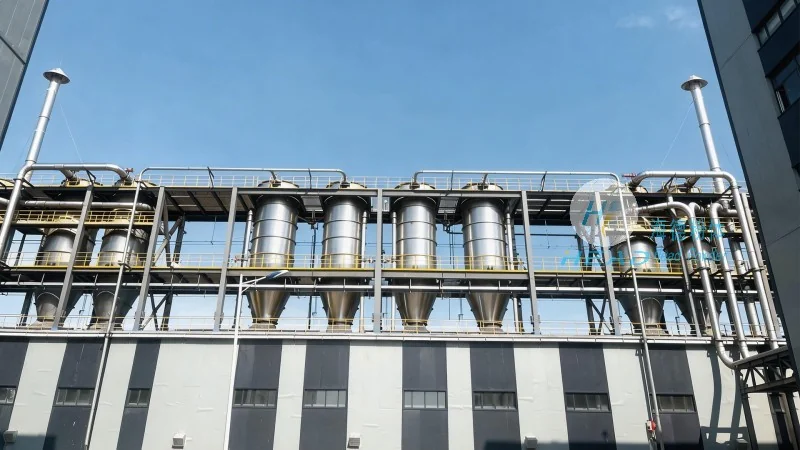
Recent advancements in pneumatic conveying technology are focused on enhancing efficiency, sustainability, and adaptability. One key trend is the integration of smart sensors and automation, enabling real-time monitoring of particle flow, air pressure, and system performance. This allows for dynamic adjustments to maintain optimal conveying conditions, reducing energy consumption and minimizing product loss. Another trend is the adoption of eco-friendly materials and energy sources, such as using recycled air or renewable energy to power the conveying system, aligning with global sustainability goals. Furthermore, research is ongoing to develop specialized conveying equipment tailored to the unique properties of algae powders, such as anti-static and anti-caking features, to address common challenges like particle agglomeration and dust accumulation. These innovations are expected to further expand the applications of algae powder pneumatic conveying in emerging industries, including biotechnology and renewable energy.
Conclusion
Algae powder pneumatic conveying technology plays a vital role in optimizing the handling and processing of this valuable resource. By leveraging its principles and adapting to industry-specific needs, the technology ensures efficient, safe, and sustainable transport of algae powders. As research and development continue, the technology is poised to evolve, addressing current limitations and unlocking new opportunities for algae-based products. For businesses involved in algae cultivation and processing, understanding and implementing advanced pneumatic conveying systems is essential for maintaining competitiveness and meeting the demands of a growing market.




