When it comes to managing agricultural operations, the efficient handling and transport of hay is a critical aspect that directly impacts productivity and resource management. As a leading provider in the industry, Shandong HeadPowder Engineering Co., Ltd. specializes in innovative solutions tailored to meet the diverse needs of hay handling processes. With a strong presence in China, particularly in Shandong province, the company has established itself as a reliable partner for businesses seeking advanced equipment and systems for hay management.
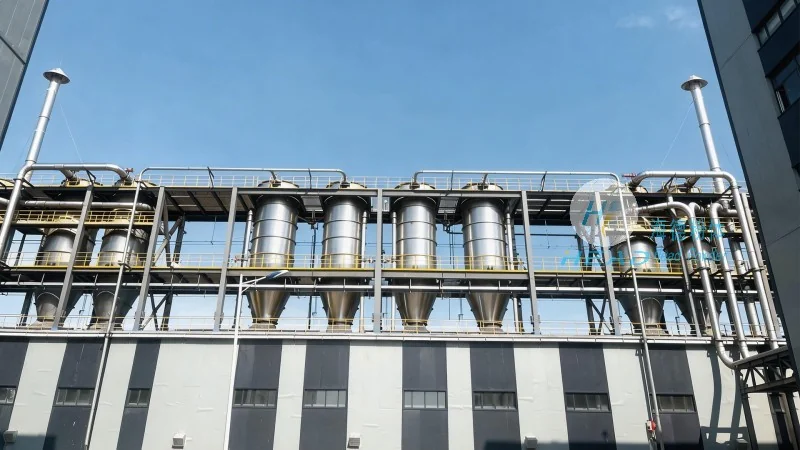
Understanding the Importance of Effective Hay Handling
Efficient hay handling and transport systems are essential for optimizing workflow in agricultural settings. Proper management ensures that hay is collected, processed, and delivered to storage or feeding areas without unnecessary delays or losses. This not only enhances operational efficiency but also contributes to better preservation of the forage quality, which is vital for livestock nutrition and overall farm productivity. The choice of handling method depends on various factors, including the scale of the operation, the type of hay being handled, and the available resources.
Common Methods for Hay Handling and Transport
There are several established methods for handling and transporting hay, each with its own advantages and applications. The primary methods include mechanical systems such as conveyor belts, augers, and elevators, which are designed to automate the process and reduce manual labor. These systems are particularly beneficial for large-scale farms where high volumes of hay need to be moved quickly and efficiently. Additionally, manual handling methods, though labor-intensive, are still used in smaller operations or in situations where specialized equipment is not available. Manual methods may involve the use of pitchforks, rakes, and other tools to move hay by hand, which requires careful planning and coordination to ensure safety and effectiveness.
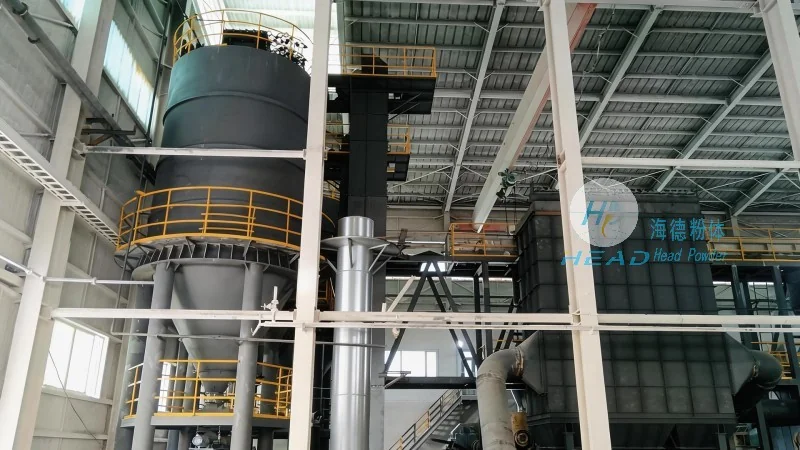
Mechanical Handling Systems: Enhancing Efficiency
Mechanical handling systems represent a significant advancement in hay transport technology. These systems utilize various mechanisms to move hay from one location to another with minimal human intervention. For instance, conveyor belts are widely used in barns and storage facilities to transport hay from the ground level to elevated storage areas or feeding stations. Augers, on the other hand, are effective for vertical or inclined transport, often used in silos or feed mills to move hay into storage silos or processing equipment. Elevators, including chain and bucket elevators, are another common option that can handle large quantities of hay with consistent speed and reliability. The adoption of mechanical systems not only improves the speed and accuracy of hay transport but also reduces the physical strain on workers, making it a preferred choice for many modern farms.
Manual Handling Techniques: Traditional and Practical
While mechanical systems offer efficiency, manual handling techniques remain relevant in many agricultural settings. These methods are particularly useful in smaller farms or during the initial stages of hay processing where equipment may not be readily available. Manual handling typically involves the use of pitchforks to lift and move bales or loose hay, rakes to spread and gather hay, and sometimes wheelbarrows or carts to transport smaller loads. This approach requires skilled labor and careful planning to ensure that hay is handled safely and without damage. Despite the labor-intensive nature of manual methods, they provide flexibility and can be adapted to various farm layouts and conditions. Additionally, manual handling allows for better control over the quality of the hay being moved, as workers can inspect and sort the forage as it is being handled.
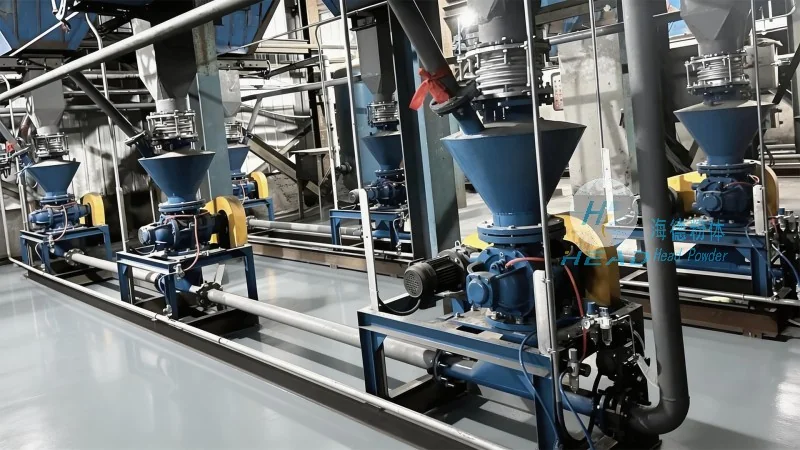
Specialized Equipment for Specific Hay Types
Different types of hay, such as alfalfa, timothy, or mixed forage, may require specialized handling equipment to ensure optimal processing and transport. For example, bale handling systems are commonly used for round or square bales, which involve machinery like bale grabbers or loaders to lift and move bales from the field to storage or feeding areas. These systems are designed to handle the weight and size of bales efficiently, reducing the risk of damage or spillage. Similarly, for loose hay or haylage, specialized equipment such as hay rakes or tedders may be used to prepare the hay for collection and transport. These tools help to spread and dry the hay evenly, improving its quality before it is moved to storage. The choice of equipment depends on the specific characteristics of the hay being handled, including its moisture content, density, and the desired storage conditions.
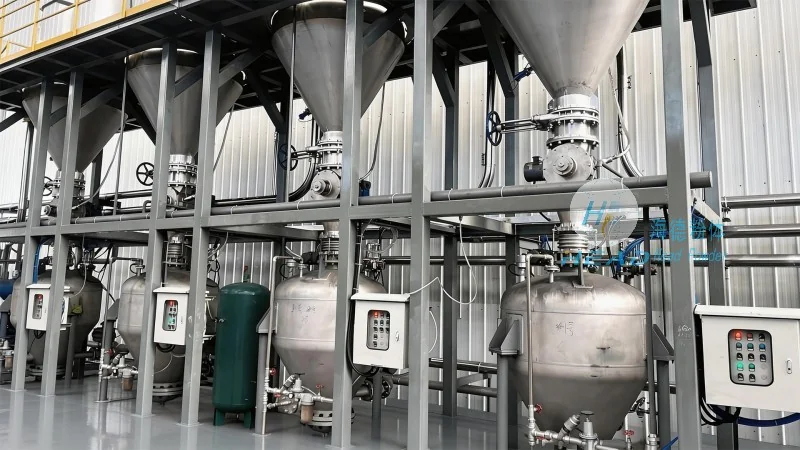
Factors Influencing the Choice of Hay Handling Method
The selection of an appropriate hay handling method is influenced by several key factors that must be carefully considered. First, the scale of the operation is a critical factor, as large-scale farms may require more automated and high-capacity systems, while smaller farms may opt for manual or semi-automated methods. Second, the type of hay being handled plays a significant role, as different forage types have varying properties that affect handling and transport. For instance, wet hay may require different equipment than dry hay to prevent spoilage or damage. Third, the available resources, including budget, labor, and space, also impact the choice of method. Companies like Shandong HeadPowder Engineering Co., Ltd. provide tailored solutions that consider these factors, offering a range of equipment and systems to meet the specific needs of each client.
Conclusion: Balancing Efficiency and Practicality
In conclusion, the effective handling and transport of hay is a multifaceted process that requires careful consideration of various factors. Whether through mechanical systems or manual techniques, the goal is to optimize workflow, preserve forage quality, and enhance overall farm productivity. Shandong HeadPowder Engineering Co., Ltd., with its expertise and presence in Shandong, China, offers comprehensive solutions for hay handling, ensuring that businesses can choose the most suitable method for their operations. By understanding the different types of hay handling and transport methods, farmers and agricultural professionals can make informed decisions that lead to improved efficiency and better outcomes in their hay management processes.




