Wood chip conveying is a critical process in various industries, particularly in the wood processing and biomass energy sectors. The efficiency and reliability of the conveying system directly impact production output, operational costs, and overall safety. With the increasing demand for wood chips as a renewable energy source and raw material for manufacturing, the need for effective and efficient conveying methods has become more pronounced. This article explores the different types of wood chip conveying systems available, with a focus on the advanced solutions offered by Shandong HeadPowder Engineering Co., Ltd., commonly known as HeadPowder.
Overview of Wood Chip Conveying Methods
Traditional wood chip conveying methods include gravity chutes, mechanical screw conveyors, and belt conveyors. Each of these methods has its own advantages and limitations. Gravity chutes rely on the natural weight of the wood chips to move them from a higher to a lower elevation, making them simple and cost-effective for short distances and gentle slopes. However, they are limited by the angle of inclination and the size and moisture content of the chips. Mechanical screw conveyors use a rotating screw to push the chips forward, which is suitable for horizontal or slightly inclined transport. They are robust and can handle a wide range of chip sizes but may experience issues with blockages and wear due to the abrasive nature of wood chips. Belt conveyors use a continuous belt to transport chips, offering high capacity and flexibility. They are ideal for long-distance transport but require regular maintenance and can be affected by the friction between the belt and the chips.
HeadPowder's Pneumatic Conveying Solutions for Wood Chips
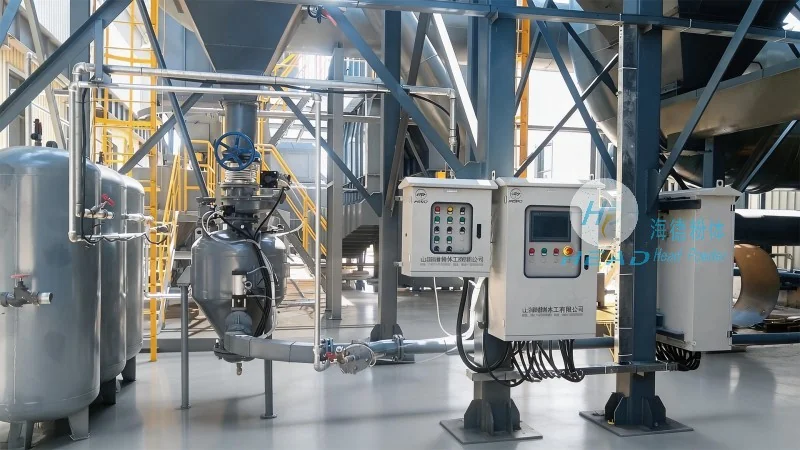
HeadPowder, a leading manufacturer of pneumatic conveying systems, specializes in providing customized solutions for wood chip transport. Their pneumatic conveying systems utilize compressed air to move wood chips through a pipeline, eliminating the need for mechanical components that are prone to wear and blockages. The company's expertise lies in designing systems that are efficient, reliable, and tailored to the specific needs of each client. HeadPowder's pneumatic conveying solutions are particularly suitable for applications where traditional methods are insufficient, such as long-distance transport, vertical lifting, or the handling of abrasive and moisture-rich wood chips.
Advantages of Pneumatic Conveying for Wood Chips
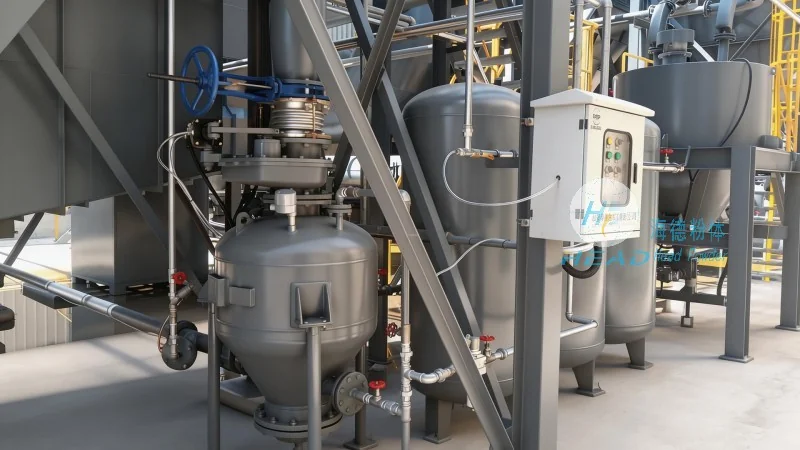
Compared to traditional conveying methods, pneumatic conveying offers several key advantages. First, it provides a high degree of flexibility, allowing for the transport of wood chips over long distances and vertical elevations without the need for multiple transfer points. This reduces the risk of material loss and contamination. Second, pneumatic systems are less susceptible to blockages caused by the abrasive nature of wood chips, as the air flow helps to keep the pipeline clear. Third, they are more energy-efficient, as the compressed air can be recycled and reused, reducing operational costs. Fourth, the systems are compact and can be installed in tight spaces, making them suitable for existing facilities. Finally, pneumatic conveying is a clean and hygienic method, as it prevents dust and debris from contaminating the product and the environment.
System Components and Working Principle
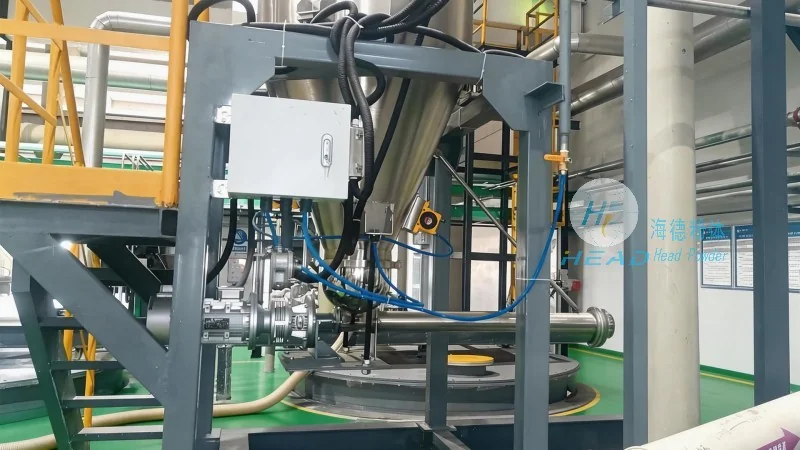
HeadPowder's pneumatic conveying systems typically consist of several key components, including a hopper for material storage, a rotary valve for controlled discharge, a blower or compressor to generate the air pressure, a pipeline network, and a receiver for the delivered chips. The system operates by first loading the wood chips into the hopper. The rotary valve then controls the flow of chips into the pipeline, where they are mixed with the compressed air. The air and chips are then transported through the pipeline to the receiver, where the chips are separated from the air and collected. The air is then filtered and recycled back to the blower, completing the cycle. This continuous process ensures a steady and efficient flow of wood chips.
Applications of HeadPowder's Pneumatic Conveying Systems
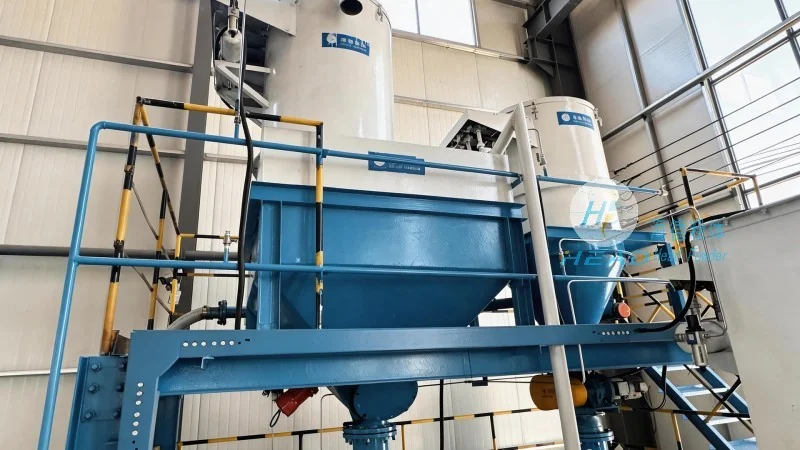
HeadPowder's pneumatic conveying systems are widely used in various industries, including wood processing, biomass energy, and paper manufacturing. In wood processing plants, the systems are used to transport wood chips from the debarking and chipping stages to the drying and pelletizing units. In biomass energy facilities, they are used to transport wood chips from storage to the boiler or gasifier. In paper manufacturing, they are used to transport wood chips from the raw material storage to the pulping and refining stages. The systems are also used in research and development facilities to test new wood chip processing technologies.
Customized Solutions for Specific Needs
HeadPowder understands that each client has unique requirements, and therefore, they offer customized pneumatic conveying solutions. The company works closely with clients to understand their specific needs, including the type and size of wood chips, the distance and elevation of transport, and the desired flow rate. Based on this information, HeadPowder designs a system that is optimized for performance and efficiency. The company also provides installation and maintenance services to ensure that the system operates at its best. This customized approach ensures that clients get the most out of their investment and that their wood chip conveying needs are met effectively.




